


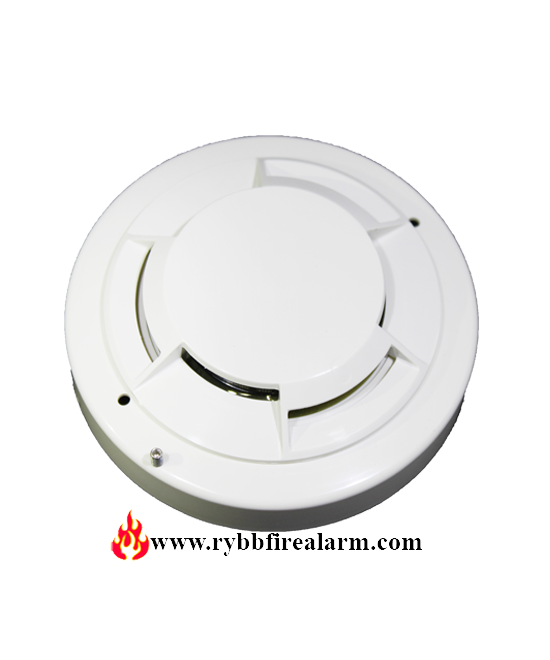
Hochiki SLK-24F Smoke Detector
$52.00
The Hochiki SLK-24F Photoelectric Smoke Detector is a conventional detector designed for compatible fire alarm systems. It features 2-wire and 4-wire base compatibility, a built-in status LED, RF/transient protection, and a low-profile design.
Out of stock

The Hochiki SLK-24F Photoelectric Smoke Detector provides reliable smoke detection for compatible conventional fire alarm systems. Its photoelectric sensing technology responds to both smoldering and flaming fire conditions. In addition, the low-profile design makes it suitable for many commercial and institutional fire alarm applications.
Reliable Photoelectric Smoke Detection
The Hochiki SLK-24F uses an infrared LED light source and a silicon photodiode receiving element. During normal operation, the receiving element receives no light from the pulsing source. However, smoke entering the chamber reflects light toward the receiving element.
The detector then converts the received light into an electronic signal. When the detector recognizes an alarm condition, it sends a signal to the compatible fire alarm control system. As a result, the system can provide early notification of a potential fire condition.
Designed for Conventional Fire Alarm Systems
This photoelectric smoke detector supports both 2-wire and 4-wire base configurations. Therefore, it offers flexibility when servicing compatible conventional fire alarm installations.
The detector has a rated voltage range of 17.5 to 33.0 VDC. Moreover, its working voltage range extends from 15.0 to 36.3 VDC. The unit has a maximum allowable voltage of 42 VDC.
A built-in LED provides visual supervision and alarm indication. During normal operation, the status LED flashes for easy visual confirmation. When the detector enters an alarm condition, the LED remains illuminated.
Key Features
- Conventional photoelectric smoke detector
- Low-profile design
- 2-wire and 4-wire base compatibility
- 15.0 to 36.3 VDC working voltage range
- 45µA maximum supervisory current at 24 VDC
- Built-in power and alarm status LED
- Non-directional smoke chamber
- RF and transient protection
- Vandal-resistant security locking feature
- Built-in magnetic sensitivity test feature
- Relay base options available
- Designed for compatible conventional fire alarm systems
- Suitable for smoldering and flaming fire detection
Base Compatibility
The Hochiki SLK-24F supports several compatible detector bases. These include HSB, HSC-4R, HSC-R, and YBA-M style bases. In addition, Hochiki designed compatible bases to support different wiring and relay requirements.
This flexibility can make the detector useful for replacement and maintenance projects involving existing Hochiki conventional fire alarm systems. However, technicians should always verify the exact base and control panel compatibility before installation.
Operating Specifications
The detector operates in temperatures from 32°F to 120°F. Furthermore, it has a maximum alarm current of 150mA at 24 VDC.
Its low standby current helps reduce the electrical load on the detection circuit. In addition, RF and transient protection help provide stable operation in compatible installations.
Fire Alarm Applications
This Hochiki photoelectric detector can support many conventional fire alarm applications. For example, facilities may use it in offices, warehouses, commercial properties, institutional buildings, and other compatible environments.
The device works especially well in applications that require photoelectric smoke detection. Moreover, its low-profile housing provides a clean and professional appearance after installation.
Installation and Compatibility
Always confirm the existing detector model, base, system voltage, and fire alarm control panel compatibility before installation. Also, follow the manufacturer’s installation instructions and applicable fire alarm codes.
Qualified fire alarm professionals should install and test the detector. Finally, technicians should perform the required system tests after installation to confirm proper communication and alarm operation.
Overall, this Hochiki smoke detector provides a practical replacement option for compatible legacy fire alarm systems. Its photoelectric technology, flexible base options, status LED, and stable operation make it useful for professional fire alarm maintenance and replacement applications.
| Weight | 1 lbs |
|---|---|
| Dimensions | 5 × 5 × 5 in |
Vendor Information
- Store Name: Miami
- Vendor: Miami
-
Address:
7713 NW 46 Street
Doral, FL 33166 - No ratings found yet!
Related products

Smoke Detector

Smoke Detector

Smoke Detector
Smoke Detector

Smoke Detector

Smoke Detector

Smoke Detector

Smoke Detector